Can Cupping Help Lower Cholesterol? 🩸 A Look Into the Research
An Ancient Practice Meets a Modern Health ConcernBlog post description.
Margaux Loyer
6/27/20255 min read
Can Cupping Help Lower Cholesterol? 🩸 A Look Into the Research
An Ancient Practice Meets a Modern Health Concern
Hey everyone,
As always, I’ve been exploring different health and wellness topics in my free time — and recently, one question really caught my attention: Can cupping therapy help reduce cholesterol?
At first, I was skeptical. How could placing suction cups on the skin influence something as complex and internal as our blood cholesterol levels?
But the more I read, the more intrigued I became.
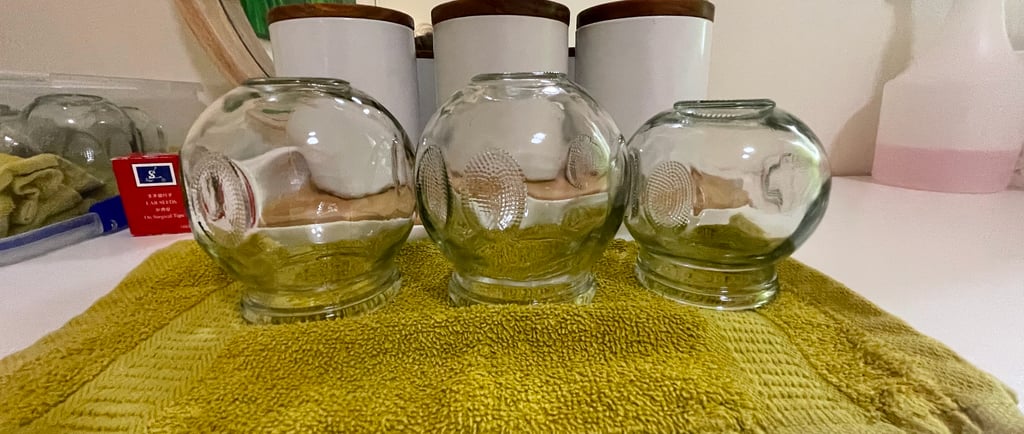
While the mechanisms aren’t as direct as a pharmaceutical drug, emerging research suggests that cupping — especially dry cupping, which I regularly use — might play a complementary role in managing cholesterol. Some studies even pair dry cupping with ginger aromatherapy for potentially greater effects.
Wet Cupping vs. Dry Cupping: What’s the Difference?
Wet cupping involves light skin pricking and bloodletting under suction. It’s often used for detoxification but isn’t part of my practice.
Dry cupping is non-invasive; it creates suction on the skin to improve circulation, ease muscle tension, and support healing.
Most research has focused on wet cupping, but there are promising signs for dry cupping too.
Key Studies & Findings
1. Dry Cupping with Ginger Aromatherapy
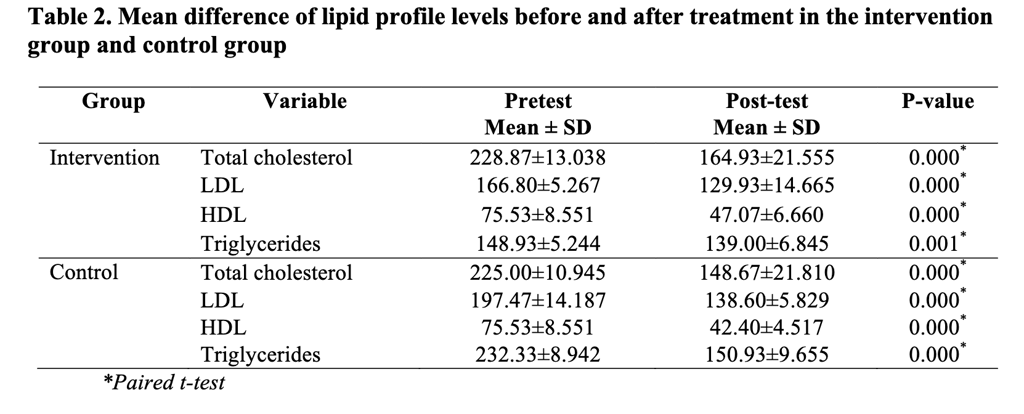
A study with 30 participants having high cholesterol compared two groups over 21 days:
Group 1: Dry cupping therapy (5 cm cups, 30 minutes daily) combined with ginger aromatherapy
Group 2: Took Simvastatin (10 mg/day), a common cholesterol medication
Cholesterol was measured on Day 1 and Day 21.
Results:
The cupping group’s LDL (“bad”) cholesterol dropped from 166.80 to 129.93 mg/dL — a meaningful reduction. While the medication group saw a larger total cholesterol decrease, this study suggests cupping could support cholesterol management.
Researchers think cupping may help by regulating the nervous system, reducing stress, improving circulation, and possibly influencing metabolism — all factors that could impact cholesterol levels. [1]
2. Cupping in Older Adults with High Blood Pressure
A small Indonesian study involved 15 elderly participants who received one cupping session. Cholesterol was measured before and after treatment.
Results:
Average cholesterol decreased from 243.47 to 228.67 mg/dL — a drop of 14.8 mg/dL.
Although encouraging, this was a small, uncontrolled study with short follow-up. Still, it adds to growing evidence that cupping may complement cardiovascular health support, especially alongside other healthy lifestyle choices. [2]
3. Wet Cupping and Blood Lipid Levels in Healthy Young Men
A randomized controlled trial with 47 healthy men tested wet cupping over three weeks. The control group received no treatment.
Key findings:
Significant LDL cholesterol reduction
Significant drop in LDL/HDL ratio (a key heart disease risk marker)
No significant change in triglycerides, total cholesterol, or HDL, though total cholesterol dropped 7% and HDL rose 3%, which could be clinically relevant
The main effects appeared within the first week and plateaued thereafter. Researchers concluded wet cupping might support heart health by lowering LDL, but the exact mechanisms are unclear — the amount of blood removed was likely not the only factor. [6]
Note: This study involved healthy men without high cholesterol. More research is needed in diverse groups.
A Case Report: Cupping and Cholesterol Improvement in One Individual
A detailed case report followed a 25-year-old man with very high cholesterol and triglycerides. He received four wet cupping sessions every 15 days.
Before therapy:
Total cholesterol: 251 mg/dL
Triglycerides: 540 mg/dL
Cholesterol/HDL ratio : 5.23
After therapy:
Total cholesterol: 216 mg/dL
Triglycerides: 209 mg/dL
Cholesterol/HDL ratio : 4.15
This showed notable improvements, especially in triglycerides and cholesterol ratios. However, as a single case without controls, it can’t prove causation — other factors could have contributed. Still, it adds to preliminary evidence that cupping, especially wet cupping, might help with lipid regulation. [3]
What About Larger Reviews and Other Studies?
Alsubi et al. (2023) conducted a systematic review and meta-analysis of five studies on cupping for metabolic syndrome. They found cupping significantly lowered LDL cholesterol, indicating promise for this therapy, although some studies didn’t specify dry or wet cupping. [4]
Thermal Dry Cupping in Type II Diabetes (Al-Rahbi et al., 2024) reported a significant drop in total cholesterol (from ~291 to ~187 mg/dL) and LDL cholesterol (from ~179 to ~136 mg/dL) after dry cupping, supporting an impact on lipid profiles. [5]
How Might Dry Cupping Influence Cholesterol?
While dry cupping doesn’t involve blood removal like wet cupping, researchers propose several indirect mechanisms:
Improved Blood Circulation: Suction draws blood to the skin surface, enhancing microcirculation and possibly aiding metabolic waste removal.
Anti-inflammatory Effects: Cupping stimulates a localized immune response. Since chronic inflammation is linked to poor lipid profiles and heart disease, reducing it might help cholesterol levels.
Lymphatic Stimulation: Suction may activate the lymphatic system, improving clearance of lipids and toxins.
Nervous System Modulation: Cupping could influence the nervous system, affecting metabolism and lipid regulation.
Stress Reduction: Since stress can raise cholesterol, cupping’s relaxing effects might indirectly support healthier lipid profiles.
Important Considerations
Mixed Evidence & Study Quality: Many studies are small, short-term, or lack controls, so evidence quality varies.
Complementary, Not Replacement: Cupping should complement—not replace—standard treatments like diet, exercise, and medications.
Consult Your Healthcare Provider: Always discuss new therapies with a qualified professional, especially if you have health conditions or take medications.
What Does This Mean for Us?
This doesn't mean cupping replaces your cholesterol medication or dietary changes — but it does suggest that cupping could be a powerful complementary therapy, especially when paired with holistic care.
It’s exciting to see ancient practices like cupping being studied through a modern lens, giving us more tools to support people naturally — body, mind, and system-wide.
Final Thoughts
I’ll continue to follow the research, but this is one more reminder that the body is deeply interconnected — and sometimes, the simplest therapies can have surprisingly wide-reaching effects.
So yes, maybe those little suction cups can do more than release muscle tension. They might also give your cardiovascular system a gentle nudge in the right direction. 💛
Let me know what you think, or if you've ever experienced any unexpected benefits from cupping!
Warmly,
References
Samadani, M. S., Mardiyono, M., & Anwar, M. C. (n.d.). Application of cupping therapy with ginger aromatherapy on reducing cholesterol level among patients with hypercholesterolemia.
Kistan, K., & Najman, N. (2022). The effect of cupping therapy on cholesterol levels in elderly patients. International Journal of Health & Medical Sciences, 5(4), 327-331.
Hasan, I., Alam, T., & Irshad, S. (2014). Management of high blood cholesterol levels through cupping therapy in a clinically healthy young man. American Journal of PharmTech Research.
Alsubi, F. F., Alshammari, T. M., Alshammari, M. S., & Alqahtani, A. S. (2023). The efficacy and safety of cupping as complementary and alternative therapy for metabolic syndrome: A systematic review and meta-analysis. Complementary Therapies in Medicine, 73, 102887.
Al-Rahbi, B., Sallam, A. A. W., Al-Jahdami, N., Sadek, H., & Al-Habsi, A. (2024). The effects of thermal dry cupping therapy in Type II diabetes mellitus in Omani patients. International Journal of Public Health Sciences, 18(3), 1115. https://doi.org/10.36648/1791-809X.18.3.1115
Niasari, M., Kosari, F., & Ahmadi, A. (2007). The effect of wet cupping on serum lipid concentrations of clinically healthy young men: A randomized controlled trial. The Journal of Alternative and Complementary Medicine, 13(3), 303–307. https://doi.org/10.1089/acm.2006.42
Supporting your body's natural ability to heal through evidence-informed acupuncture and holistic care.
© 2025. All rights reserved.